Ubuntu Living Lab (ULL) was founded on the principle of "Umuntu ngumuntu ngabantu" , which is an acknoledgement that the individual exists withing the collective of individuals living in community. We are a community-driven initiative designed to unlock the latent potential, wisdom, and creativity within South Africa's rural communities, which have long been marginalized by dominant narratives of rurality.
Our name reflects our core philosophy: "Ubuntu" - the African concept of shared humanity, and "Living Lab" - framing our community as a dynamic ecosystem for innovation. Here, challenges are met with collective wisdom and shared resources, co-designing solutions that are rooted in local reality.
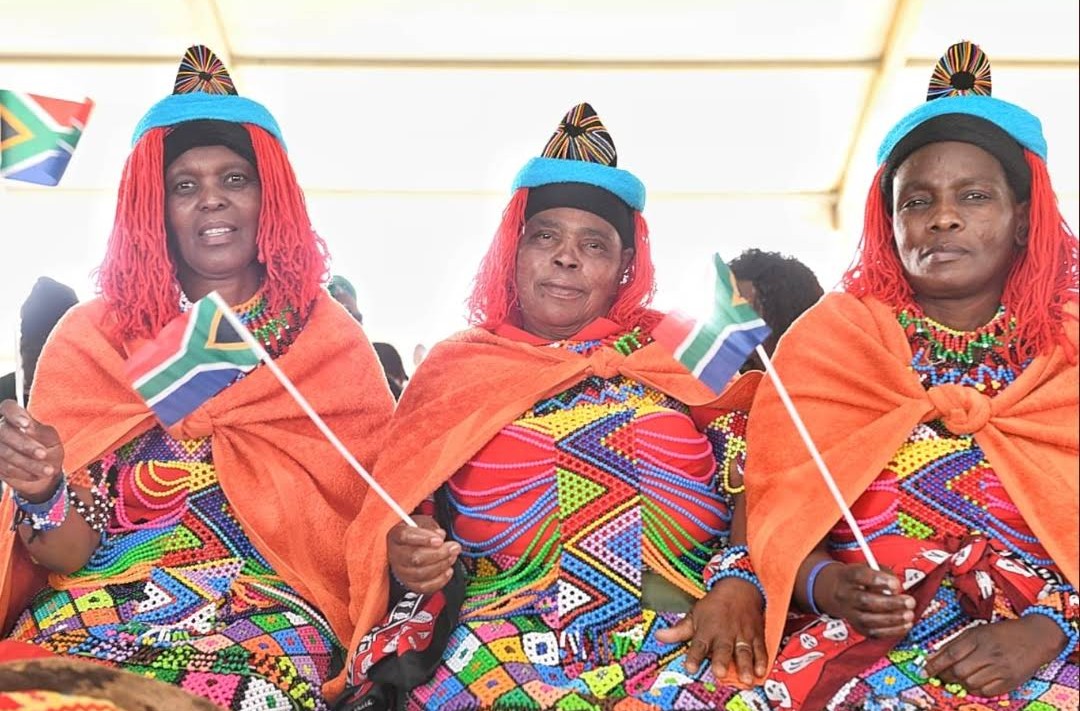
Our Mission
To establish community-owned cooperatives that function as dynamic interfaces between residents and the state. We co-design and implement grassroots solutions that address local needs across digital inclusion, food systems, and enterprise development, all while advancing sustainable development through the principles of Ubuntu.
Our Vision
A thriving network of self-reliant South African communities where robust community-government partnership fosters shared prosperity. We envision a future where every village is digitally connected, food-secure, economically vibrant, and rooted in the collective wisdom of Ubuntu.
The ULL Framework
Our approach to community transformation
Community as Laboratory
We treat our villages as living laboratories. Every project is an experiment in applied Ubuntu, where solutions are co-designed with community members and iterated based on local feedback and collective wisdom.
Cooperative Ownership
We move beyond traditional NGO models to create sustainable social enterprises. Community members have democratic control and direct economic participation in the initiatives that shape their lives.
Multi-Sphere Integration
Our portfolio working groups are aligned with local, provincial, and national government departments, enabling structured engagement and effective collaboration on shared development priorities.
Replicable Models
Our Richmond pilot serves as a proving ground. We are developing documented, evidence-based frameworks that can be adapted and scaled across other communities in KwaZulu-Natal and beyond.
Our Integrated Approach to Sustainability
Building resilience across every aspect of our work
True, lasting impact is only achieved when sustainability is woven into the fabric of an organisation. At ULL, our strategy is built on four interconnected pillars, ensuring that financial viability, institutional strength, social cohesion, and environmental responsibility reinforce one another.
Financial & Institutional: Our financial model blends grants with growing earned revenue from membership fees, enterprise activities, and municipal service contracts. Institutionally, we are committed to democratic governance, continuous capacity building, and robust succession planning to ensure the organisation thrives beyond any single individual or funding cycle.
Social & Environmental: We ensure community ownership, cultural relevance, and the active inclusion of marginalised groups, including youth and elders. Environmentally, our work is guided by regeneration: sustainable agriculture, renewable energy, waste management, and building climate resilience through practices like water harvesting and drought-resistant crops.
Our Strategic Pillars
Four interconnected drivers of change
Digital Inclusion
Bridging the digital divide through community digital hubs, digital literacy training, and accessible e-government and financial services. Our pilot aims to demonstrate how connectivity drives opportunity.
Agriculture & Food Systems
Promoting food sovereignty through climate-smart agriculture, permaculture, water harvesting, and support for local food producers. We build resilience against climate impacts while regenerating the land.
Enterprise Development
Fostering sustainable livelihoods by supporting cooperatives, offering business skills training, and creating market linkages for community enterprises. We turn local potential into economic reality.
Community Infrastructure
Developing and maintaining shared physical assets—from digital hubs to agricultural infrastructure—that serve as the foundation for our programmes and strengthen community cohesion.
Our Governance Structure
Community-led with strategic partnerships
Custodianship
Chobozumhlanga Cooperative provides the legal and operational foundation for our Richmond pilot, bringing over 25 years of community development experience and deep local roots.
Traditional Leadership
esiPhahleni Traditional Authority ensures cultural integrity and community legitimacy, providing essential guidance that aligns all initiatives with local values and traditions.
Strategic Partners
Various tech, and civic-tech organisations that bring technical expertise, movement-building experience, and strategic direction to help scale our impact beyond the pilot phase.
Portfolio Working Groups
Community members organized into specialized groups aligned with government departments, ensuring effective collaboration and that local voices shape policy engagement.
Proactive Risk Management
Safeguarding our mission through foresight and planning
We have developed a comprehensive risk management framework to navigate uncertainty and protect our community's investments. Our approach is embedded in our management culture, enabling us to respond proactively to challenges.
Our risk register covers governance, financial, political, community, technical, market, environmental, and security risks. For each, we have risk mitigation strategies.
This commitment to planning ensures that we can maintain essential functions and protect the trust our community places in us, no matter what challenges arise.
Join Our Community Journey
Be part of building sustainable, connected villages where technology serves community needs and Ubuntu guides our path forward.